TOWING
CAPACITY
CALCULATOR
How Much Can My Truck Tow? Look Up Your Exact Towing Capacity
High-Capacity Standards
Top Models by Maximum Configuration Capacity
Ford
F 250 SUPER DUTY
2026 MY Series

Ford
F 150
2026 MY Series

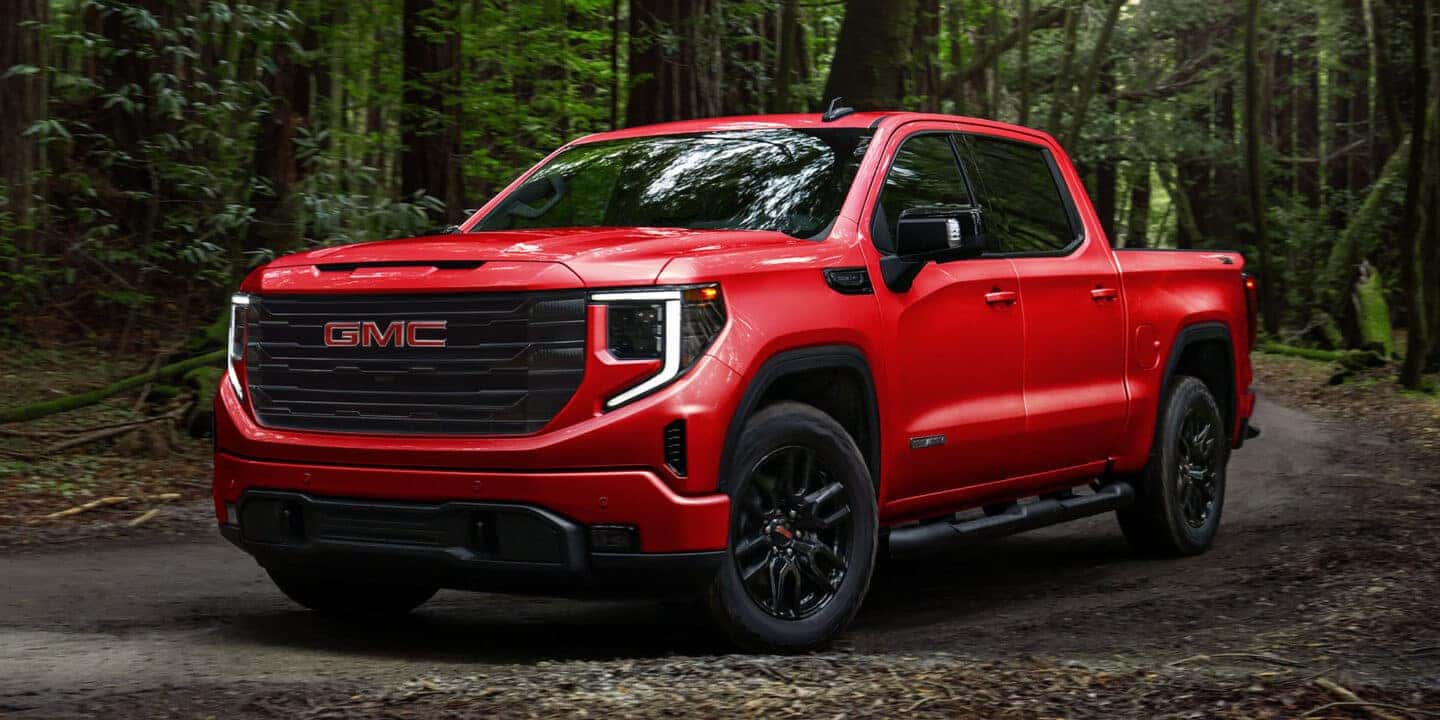
GMC
SIERRA 1500
2024 MY Series
RAM
1500
2026 MY Series

RAM
1500 CLASSIC
2024 MY Series

Chevrolet
SILVERADO 1500
2026 MY Series

Nissan
TITAN
2024 MY Series

GMC
CANYON
2026 MY Series

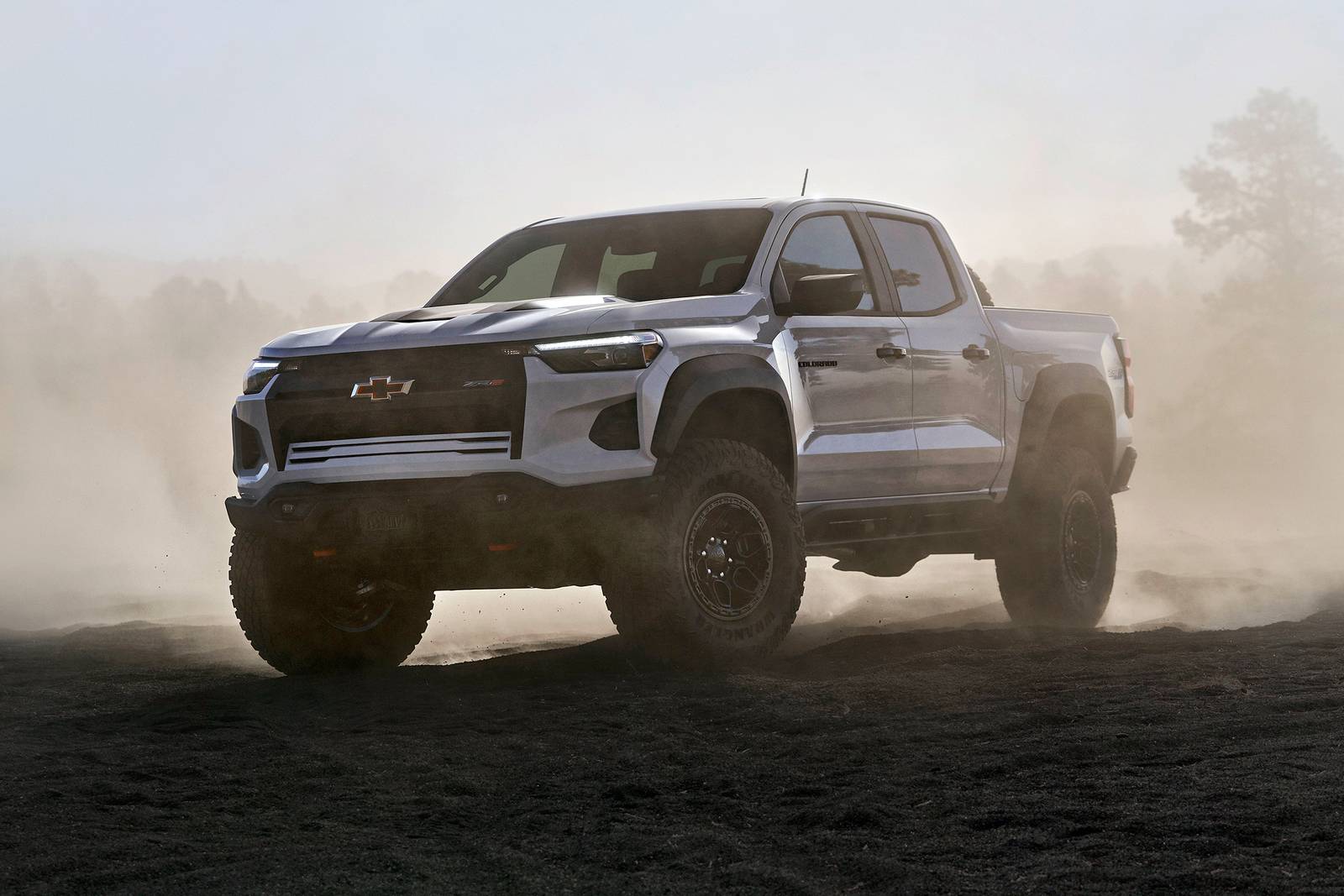
Chevrolet
COLORADO
2026 MY Series
Nissan
FRONTIER
2026 MY Series

Jeep
GLADIATOR
2026 MY Series

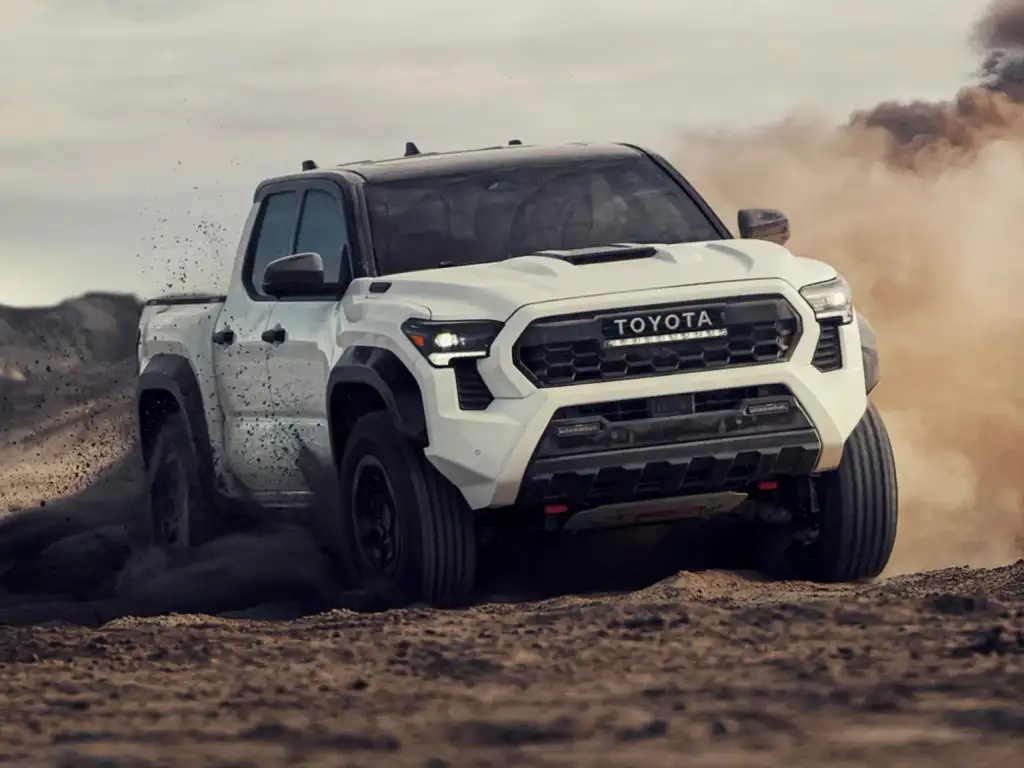
Toyota
TACOMA
2026 MY Series
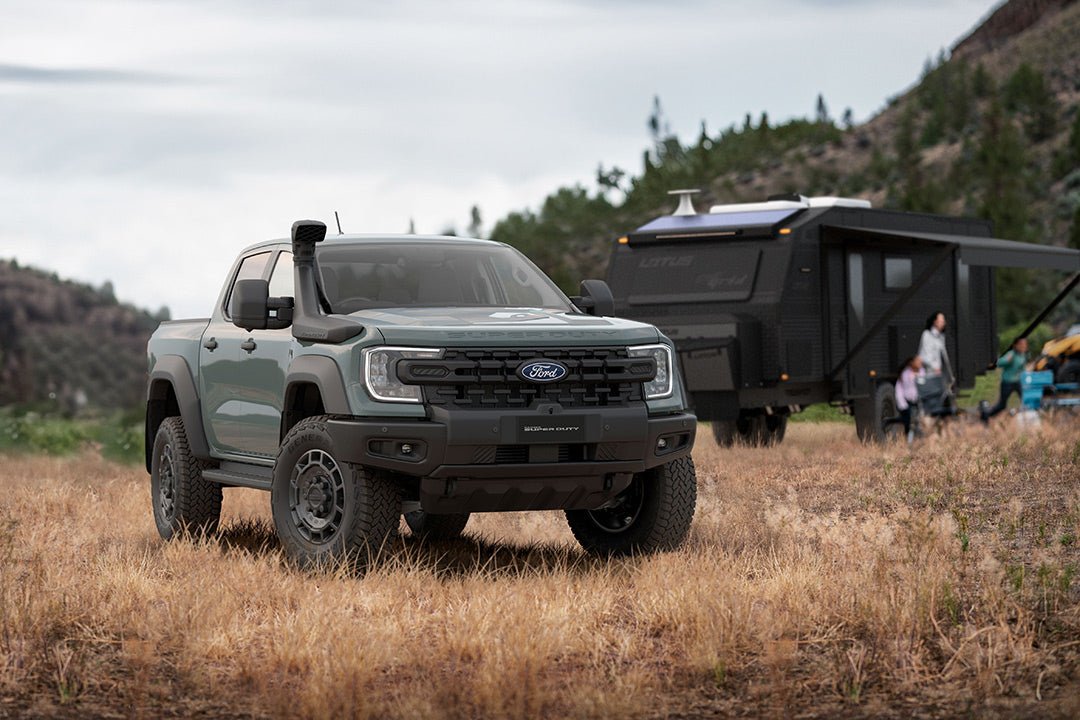
Ford
RANGER
2026 MY Series
Toyota
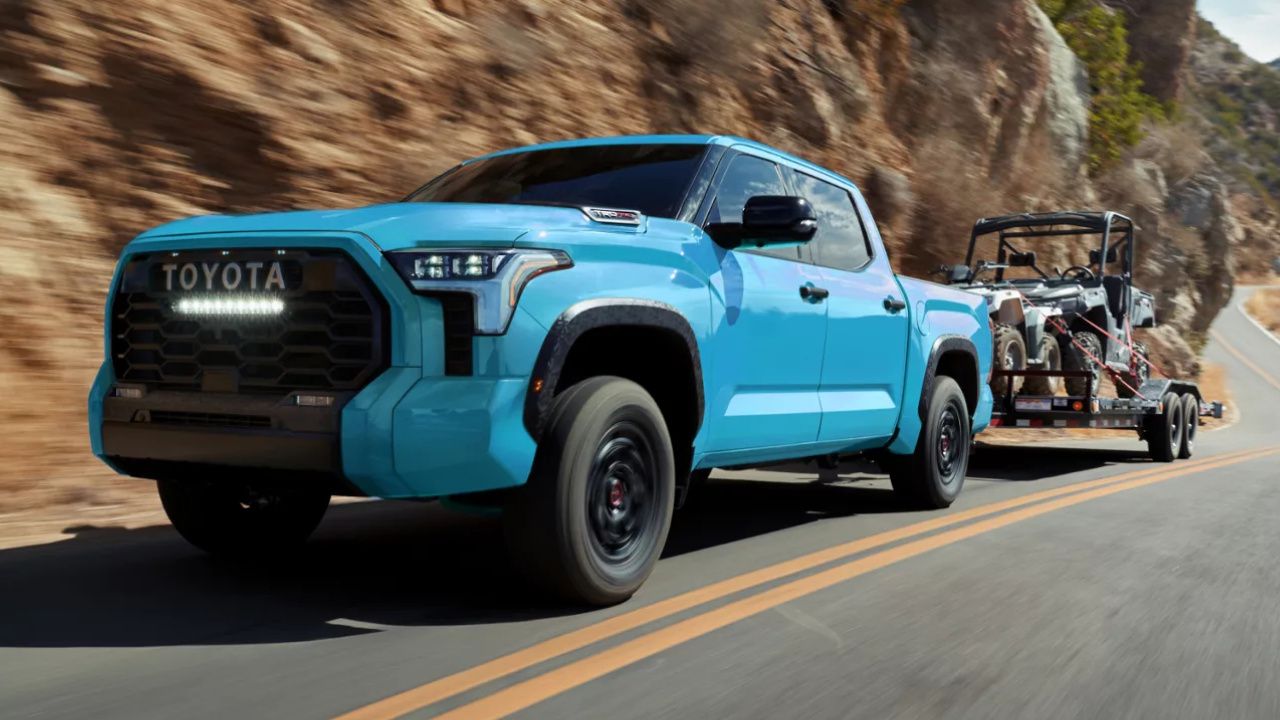
TUNDRA
2024 MY Series
DON'T SEE YOUR TRUCK?
Tell us what you drive and we'll add it to the database. Leave your email and we'll notify you when it's live.
Why This Directory?
Precision-engineered data for professional reliability.
Verified Accuracy
Cross-referenced against OEM spec sheets and SAE J2807 test data for absolute precision.
Updated 2026
Database includes model years 2019–2026 with real-time updates for new model releases.
Manufacturer Data
Zero estimations. Direct pulls from official towing guides and technical specifications.
800+ Configs
From light-duty midsize trucks to heavy-duty full-size towing monsters.
The Safety Protocol
Search
Select your Make, Model, and Year to retrieve your vehicle's technical towing specifications.
Select
Choose your exact engine, cab style, bed length, and drivetrain configuration.
Tow Safely
Get your exact max tow rating, payload, GCWR, and tongue weight limits — instantly.
Technical Knowledge Base
What is towing capacity?
Towing capacity is the maximum weight a vehicle can safely pull behind it, including the trailer and everything loaded on it. It is set by the manufacturer and varies by engine, cab style, drivetrain, and axle ratio.
How is towing capacity calculated?
Manufacturers determine towing capacity using the SAE J2807 standard, which assumes a driver and one passenger at 150 lbs each (300 lbs total). Any additional occupant or cargo weight above that baseline reduces your available towing capacity pound-for-pound.
Does adding passengers reduce my towing capacity?
Yes. Because the published max tow rating already assumes 300 lbs of occupants (per SAE J2807), any weight above that — extra passengers, heavier driver, or bed cargo — directly reduces how much trailer you can safely tow.
What is tongue weight and why does it matter?
Tongue weight is the downward force the trailer hitch applies to the tow vehicle, typically 10–15% of the total trailer weight. Exceeding the rated tongue weight can cause loss of steering control and trailer sway, even if you're within the max tow rating.
What is the difference between towing capacity and payload capacity?
Towing capacity is how much a truck can pull behind it. Payload capacity is how much weight the truck can carry inside the cab and bed — passengers, cargo, and tongue weight all count against payload. Both limits must be respected simultaneously.
Do I need a tow package to reach the max tow rating?
For many configurations, yes. A factory tow package typically includes a trailer hitch receiver, upgraded transmission cooler, integrated trailer brake controller, and a higher-capacity alternator. Without it, the maximum tow rating on some trims is significantly lower.
Where do I find the weight of my tow vehicle?
Check the certification label inside the driver's side door frame or door edge. This label typically lists the GVWR, GAWR, and curb weight. You can also check your owner's manual or contact the manufacturer using your VIN.
What happens if I exceed my towing capacity?
Exceeding your towing capacity puts serious strain on the engine, transmission, brakes, suspension, and frame. It can lead to overheating, poor handling, increased stopping distances, and tire blowouts. Always verify your vehicle's towing capacity and ensure your fully loaded trailer stays within safe limits.